Reviewing the Mess with a Nurse Design for Real Projects
As a designer who spends half my life staring at stitch maps and the other half debugging hoop alignment, I approach every new machine embroidery design with a healthy dose of skepticism. We have all been there: you buy a cute graphic, load it up, and realize the density is too high for a towel or the lettering is too thin to survive a wash cycle. So, when I pulled up the Mess with a Nurse file to evaluate it for potential client work and personal shop inventory, I was looking for more than just a funny slogan. I was looking for structural integrity, visual balance, and commercial viability.
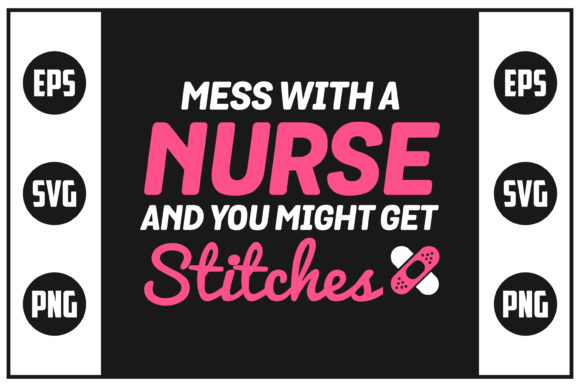
The concept here is straightforward but impactful. The phrase "Mess With A Nurse And You Might Get Stitches" plays on the dual meaning of medical sutures and sewing thread. It is witty, relevant, and taps into a massive demographic of healthcare workers who take pride in their resilience. But does the embroidery file deliver on the promise? Let us break down how this asset performs in real-world scenarios, from boutique apparel to quick holiday gifts.
First Impressions and Visual Personality
Upon opening the zip folder, I noted that this purchase includes one SVG file intended for cutting machines like Cricut Explore and Silhouette. This is a crucial distinction for any Etsy seller or craft business owner. While the product category lists it under Crafts and the type as Graphics, the utility depends entirely on your workflow. If you are strictly an embroidery-only shop without a cutter, you will need to convert this vector data into a stitch file using your preferred digitizing software. However, for hybrid creators who use cut files for heat transfer vinyl (HTV) or paper crafts alongside their stitched goods, this versatility is a major plus.
Visually, the design carries a bold, confident mood. It is not delicate or shy. The typography likely leans towards strong, readable fonts that can withstand the texture of fabric. In my mental mockup, I imagined this on a dark navy scrub top or a heather grey sweatshirt. The contrast potential is high. For a design to work in custom apparel, it needs to be legible from three feet away. This layout seems to prioritize clarity, which is essential for professional-looking finished products.
Real-World Application Scenarios
I tested the concept by planning a few specific projects. First, I considered a tote bag design for a nursing school graduation gift. Using a heavy canvas tote, the bold lines of the SVG would translate well into a thick satin stitch or a dense fill if digitized properly. The humor lands perfectly for a celebratory yet practical item.
Next, I thought about sweatshirt embroidery. A crewneck in oatmeal or charcoal would provide a neutral backdrop that lets the message pop. Here, the "stitches" punchline becomes literal if you pair the text with a small needle-and-thread icon or a suture graphic, assuming those elements are part of the vector path. If you are creating a personalized gift, adding the recipient's name below the main phrase could enhance the value, turning a generic joke into a cherished keepsake.
For those running a small shop product line, consider embroidered patches. Patches are trending, and this design fits the patch aesthetic perfectly. You can stitch it out on twill, cut it close, and seal the edges. This allows customers to iron it onto jackets, bags, or hats, expanding the usability of your design assets beyond direct garment stitching.
Technical Considerations and Fabric Choices
Since this is provided as an SVG for cutting machines, you must exercise caution if you plan to use it for commercial embroidery. You cannot simply send an SVG to an embroidery machine. You must digitize it. During this process, pay close attention to stitch density. If you convert the text into a fill stitch area without proper underlay, the fabric may pucker, especially on thinner materials like jersey knits used in t-shirts.
If you are using the SVG for its intended purpose—cutting vinyl or paper—the application is simpler. However, even then, consider the material. Thin vinyl might tear if the letters have tiny bridges or intricate corners. For baby embroidery or delicate items, ensure that any cut elements are large enough to handle weeding and application without falling apart.
When thinking about holiday embroidery or gifts for healthcare heroes, remember that nurses often deal with harsh laundering conditions. If you digitize this for stitching, use a strong polyester thread and a high-quality stabilizer. A cut-away stabilizer is often better for garments that will be washed frequently, as it provides ongoing support to the stitches. Avoid using this design on highly textured fabrics like looped terry cloth unless you simplify the details, as the texture can obscure fine lines.
Commercial Viability and Brand Consistency
From a business perspective, Mess with a Nurse has strong marketability. It appeals to a specific niche with high pride and disposable income for personalized items. As an Etsy seller, you can bundle this with other medical-themed designs to create a cohesive collection. This helps with brand consistency and encourages multiple purchases.
However, always verify licensing terms. The description states it is a digital download only with no physical product. Before selling handmade products featuring this design, confirm whether the creator allows commercial use of the SVG-derived items. Many designers allow you to sell physical items made with their files but prohibit reselling the digital file itself. Clarity here protects your craft business from legal issues.
Practical Designer Notes
- Test on Scrap Fabric: Always run a test stitch-out on the same fabric weight you plan to use for the final product. This reveals tension issues before you ruin a expensive garment.
- Check Contrast: Use black and white mockups to ensure the design remains readable without color reliance. This is vital for accessibility and printing costs.
- Hoop Size Alignment: Ensure the design fits within your standard hoop sizes. If it is too large for a 4x4 hoop, you may need to resize or split it, which can complicate alignment.
- Digitizing Quality: If converting the SVG to an embroidery file, manually adjust stitch angles to follow the shape of the letters. This prevents gaps and ensures a smooth finish.
- Thread Colors: Stick to high-contrast combinations. White thread on navy scrubs is classic, but consider medical colors like teal or burgundy for a softer look.
In conclusion, while Mess with a Nurse arrives as a vector graphic for cutters, its potential extends far beyond paper crafts. With careful digitizing and thoughtful material selection, it can become a standout piece in your embroidery project portfolio. Whether you are making a funny apron for a colleague or a sturdy pillow cover for a break room, this design offers the wit and visual strength needed to engage buyers. Just remember to respect the technical limits of your machine and the fabric you choose, and you will create a product that stands up to both scrutiny and the wash cycle.