Review: Fixin’ Cuts and Stickin Butts, Nurse Tee Design
As a designer who has spent countless hours digitizing patterns and troubleshooting machine errors, I approach every new machine embroidery design with a mix of curiosity and caution. We have all been there: you find a graphic that looks perfect on screen, only to realize it turns into a tangled mess of thread once the needle hits the fabric. Recently, I evaluated the Fixin’ Cuts and Stickin Butts, Nurse Tee design to see if it holds up under the scrutiny of real-world production. This is not just about aesthetics; it is about functionality, durability, and commercial viability for those of us running small shops or creating personalized gifts.
First Impressions and Visual Personality
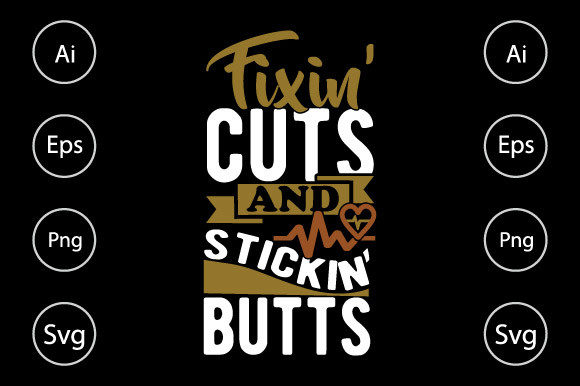
The first thing that strikes you about this piece is its bold, humorous attitude. It captures the gritty, unfiltered reality of nursing life with a layout that feels authentic rather than generic. For embroidery designers, the visual personality here is crucial. It is not delicate or subtle; it is loud and proud. This makes it an excellent candidate for projects where the goal is to make a statement. The shape and detail level suggest a design that relies heavily on clear lines and solid fills, which generally translates well to stitching if managed correctly.
When I look at the provided assets, including the AI Illustrator file, EPS 10 file, and high-resolution PNG, I see versatility. However, as an embroiderer, my mind immediately jumps to how these vector shapes will convert into stitch paths. The theme is inherently playful, making it a natural fit for casual wear and accessories rather than formal attire. It creates a mood of camaraderie and resilience, which is exactly what many healthcare workers look for in their off-duty gear.
Real-World Application and Product Fit
To truly test the value of this embroidery file, I imagined placing it on various substrates. My primary test case was a custom embroidered tote bag. Tote bags are popular among nursing students and professionals for carrying textbooks and scrubs. The design’s horizontal layout works well across the front panel of a standard canvas tote. Because the text is likely the dominant feature, ensuring legibility is key. On a textured canvas, a design with too much fine detail can get lost, but the bold nature of this graphic suggests it would remain readable even on rougher fabrics.
Beyond totes, this design shines in custom apparel. Imagine it stitched onto the chest of a heavyweight sweatshirt or the back of a zip-up hoodie. The humor resonates deeply with the target audience, increasing the perceived value of the handmade product. For Etsy sellers and craft business owners, this type of niche-specific humor drives engagement. It is not just a shirt; it is an inside joke that builds community. I also considered it for aprons, which are practical gifts for clinical instructors or nurses who enjoy cooking after a long shift. The durability of the stitch work would need to withstand frequent washing, so proper stabilization is non-negotiable.
Technical Considerations for Stitching
While the graphic assets are robust, translating them into a physical embroidery project requires technical diligence. If you are using this as a reference for digitizing your own version, pay close attention to stitch density. Large areas of text or solid shapes can pull on lightweight fabrics, causing puckering. For a t-shirt or baby item, you must use a cut-away stabilizer to support the weight of the thread. If you are working with a pre-digitized file, always check the underlay stitches. Good underlay anchors the design and prevents shifting, which is critical for maintaining the crisp edges of the lettering.
Thread color choice plays a massive role in the final outcome. For a nurse tee, traditional medical colors like teal, navy, or scrub blue work well for the background, while white or bright contrasting threads ensure the text pops. However, avoid using too many color changes if possible, as this increases production time and potential thread breaks. A simple two or three-color palette often looks more professional and is easier to manage during mass production for small shop products.
Navigating Fabric and Hoop Constraints
There are specific scenarios where you should use caution. Curved surfaces, such as caps or hats, present a challenge. The horizontal width of the design might exceed the standard hoop size for many home machines. If you are attempting this on a cap, you may need to resize the design significantly, which could compromise the legibility of smaller details. Always measure your hoop area before committing. Additionally, avoid placing this design on stretchy, thin fabrics without heavy stabilization. The density required to make the text solid can cause the fabric to distort permanently.
Dark fabrics require special attention to visibility. If you are stitching on black or navy scrubs, ensure your thread colors have enough contrast. A dark grey thread on a black shirt will disappear. In these cases, consider using a satin stitch border around the elements to define them against the background. This technique adds a polished look and helps separate the design from the fabric texture.
Commercial Viability and Brand Consistency
For those selling digital embroidery files or finished goods, this design offers strong commercial potential. It fits squarely into the category of niche humor, which sells consistently year-round. Unlike holiday embroidery, which has a short sales window, nursing humor is evergreen. When creating printable mockups for your online store, use high-quality images that show the texture of the stitches. Customers want to see that the design is not just printed but actually embroidered. This tactile quality justifies a higher price point and builds buyer trust.
Brand consistency is another factor. If your shop focuses on medical professionals, this design aligns perfectly with other items like stethoscope tags or badge reels. It reinforces your brand as one that understands the daily realities of your customers. However, always verify licensing terms. The product description mentions included AI and EPS files, suggesting you may have rights to use the design for various applications, including wall art and banners. But for commercial embroidery, confirm whether the license covers finished physical goods or if it is strictly for personal use. Never assume; always read the fine print to protect your business.
Final Designer Notes
Before launching this design into your production line, take these practical steps. First, stitch out a test sample on scrap fabric identical to your final product. Check for thread breaks, nesting, or registration issues. Second, review the design in black and white to ensure the contrast holds up without color reliance. Third, inspect small details. If any letters are too thin, they may need manual adjustment in your digitizing software to prevent them from falling out during washing.
The Fixin’ Cuts and Stickin Butts, Nurse Tee design is a strong contender for anyone looking to add personality to their embroidery portfolio. It balances humor with a bold visual structure that, when executed with proper technique, results in a durable and appealing finished product. Whether you are creating a personalized gift for a favorite nurse or stocking your Etsy shop with best-selling apparel, this design offers the versatility and impact needed to stand out in a crowded market. Just remember: good design is only half the battle; precise stitching is what makes it last.