NURSE LOVE LIVE HEAL: A Designer’s Review
As an embroidery designer who has spent countless hours digitizing, testing, and stitching out designs for client projects, I have learned that not every graphic translates well to thread. When I first encountered NURSE LOVE LIVE HEAL, my immediate reaction was one of cautious optimism. The theme is timeless, targeting a demographic that values compassion and care, but the execution in digital format requires a critical eye before it hits the hoop. This review breaks down how this asset performs in real-world applications, moving beyond the screen to the tangible reality of stitched fabric.
First Impressions and Visual Personality
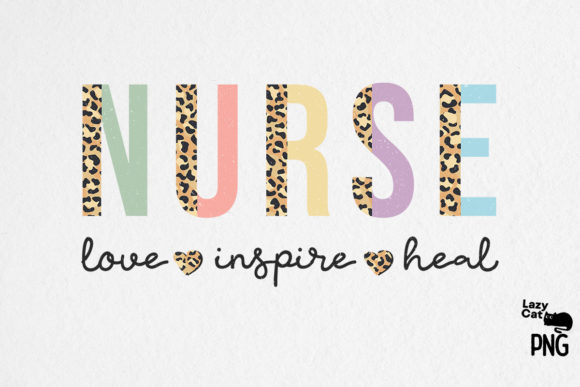
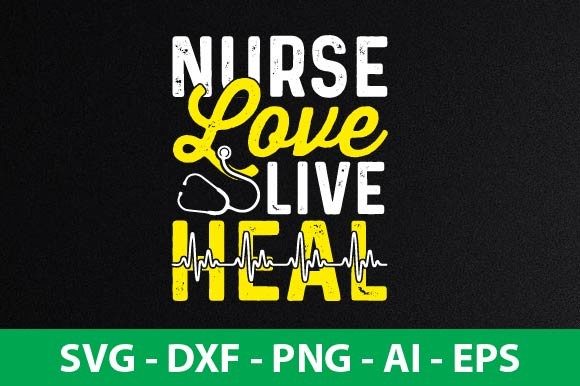
The mood of NURSE LOVE LIVE HEAL is inherently warm and professional. It balances the clinical precision associated with nursing with the emotional weight of healing and love. Visually, the layout feels balanced, avoiding the clutter that often plagues text-heavy designs. For those of us in the Crafts sector, particularly those focusing on Graphics for apparel, the clarity of the message is paramount. The design does not scream; it whispers confidence. This subtlety is crucial for modern handmade products where buyers often seek sophistication over novelty.
When evaluating the shape and detail level, I look for potential stitching hazards. Complex curves can lead to thread breaks or puckering if not managed correctly. This design appears to have clean lines that should translate well into both satin stitch borders and fill stitch areas, provided the digitizer has accounted for proper pull compensation. The visual personality suggests it belongs on items meant to be worn with pride, such as custom scrubs, lab coats, or casual weekend wear for healthcare workers.
Real-World Application: The Custom Tote Scenario
To truly test the viability of NURSE LOVE LIVE HEAL, I imagined a specific project: a heavy-canvas tote bag intended as a gift for a nursing school graduate. This is a common request for Etsy sellers and small shop product creators. The goal was to create a durable, stylish accessory that celebrates their career choice without looking like a uniform.
In this scenario, the design’s scalability becomes key. Since the purchase includes vector-based files like SVG, EPS, and DXF, alongside raster formats like PNG and JPEG, you have flexibility. However, for embroidery, you must ensure the design is properly digitized for the specific hoop size you are using. If you are adapting this graphic for machine embroidery, you cannot simply import the SVG into your embroidery software and expect perfect results. You must check the stitch density. On a thick canvas tote, a low-density fill might look sparse, while a high-density fill could cause the fabric to pucker significantly. Using a sturdy stabilizer is non-negotiable here to maintain the integrity of the finished product.
Performance on Various Fabrics and Items
Beyond totes, this design shows promise for sweatshirt embroidery and custom apparel. Healthcare workers often appreciate comfortable, personalized gear for their off-hours. Stitching NURSE LOVE LIVE HEAL onto a fleece-lined hoodie requires careful attention to thread tension. Fleece is bulky, and if the design has dense areas, it can become stiff and uncomfortable. I recommend using a cut-away stabilizer for stretchy fabrics to prevent distortion after washing.
For baby embroidery items, such as onesies or burp cloths for a nurse’s new child, the scale must be reduced. Here, the legibility of any text elements becomes critical. Tiny lettering can merge together if the thread colors do not offer enough contrast against the fabric. Always test on scrap fabric first. What looks crisp on a monitor may turn into a blob of thread on a small hoop. Additionally, consider the fabric texture. Smooth cotton blends yield the cleanest results, while textured towels or waffle-weave fabrics can obscure fine details.
If you are considering this for an embroidered patch, the design’s border definition is vital. Patches are often subjected to rough handling and frequent washing. Ensure that any satin stitch columns are narrow enough to remain flexible but wide enough to cover the fabric underneath completely. This prevents the base material from peeking through, which can look unprofessional in a commercial embroidery context.
Design Limitations and Careful Considerations
While NURSE LOVE LIVE HEAL is versatile, it is not without its challenges. One must be cautious when applying it to dark fabrics. If the design relies on light threads, you may need to use an underlay stitch or a backing material to prevent the dark fabric from showing through the stitches. This is especially true for applique design adaptations, where the fabric cutout provides the color rather than the thread.
Curved surfaces, such as caps or hats, present another hurdle. The design must be centered perfectly, and the hooping technique must be precise to avoid shifting. For holiday embroidery gifts, such as Christmas ornaments or stockings, ensure the design size fits the limited space without overcrowding. Overly dense stitching on small items can make them rigid and less appealing as keepsakes.
Commercial Viability and Brand Consistency
For craft business owners, the value of a design lies in its ability to enhance brand consistency. NURSE LOVE LIVE HEAL offers a professional aesthetic that can elevate a handmade product from a simple craft to a boutique-quality item. Customers trust designs that look intentional and well-executed. A sloppy stitch-out damages buyer engagement and trust. Therefore, investing time in testing thread combinations and stabilizer types is essential.
When creating printable mockup images for your online store, use the included PNG or JPEG files to visualize the final look. However, remember that a digital mockup will always look cleaner than a stitched item. Manage customer expectations by showing close-up photos of actual stitching. Highlight the texture of the thread and the quality of the finish. This transparency builds credibility and reduces return rates.
Practical Notes for the Embroidery Designer
Before committing to a large production run or listing this as a digital embroidery file adaptation, follow these steps:
- Test on Scrap Fabric: Always stitch a sample on the same type of fabric you intend to use for the final product. This reveals issues with tension, density, and color contrast.
- Check Thread Color Contrast: Ensure the thread colors stand out against the background. High contrast improves readability and visual appeal.
- Review Stitch Density: Adjust density based on fabric weight. Lighter fabrics need less density to prevent puckering; heavier fabrics can handle more.
- Confirm Hoop Size: Make sure the design fits within your machine’s maximum hoop area. If resizing, maintain aspect ratio to avoid distortion.
- Inspect Small Details: Zoom in on the design to check for tiny elements that may not stitch out cleanly. Simplify if necessary.
- Verify Licensing: The product description states "WHAT YOU GET DIGITAL DOWNLOAD ONLY no physical product" and lists compatibility with Cricut via SVG/DXF files. It does not explicitly state commercial embroidery rights for the digitized version. If you plan to sell finished items using a digitized version of this graphic, confirm the license terms with the creator. Selling the digital file itself as an embroidery design is likely prohibited unless you have created the digitization yourself and have rights to the underlying artwork.
In conclusion, NURSE LOVE LIVE HEAL is a strong candidate for meaningful, professional embroidery projects. Its success depends on the skill of the embroiderer in adapting the graphic to the constraints of thread and fabric. With careful planning and testing, it can become a standout piece in your portfolio of design assets and personalized gift offerings.