I Can’t Stay at Home: A Nurse’s Embroidery Review
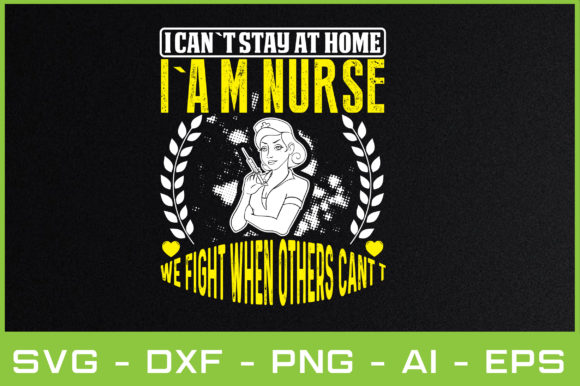
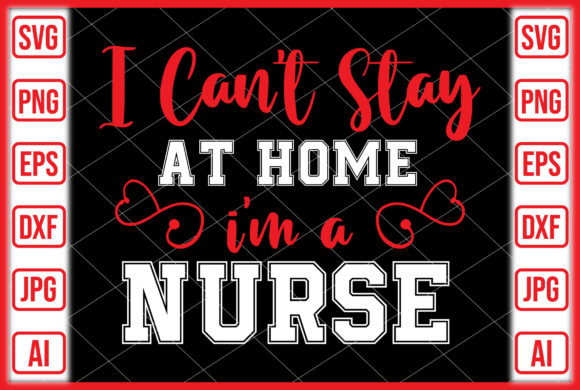
As a designer who has spent countless hours digitizing and stitching out thousands of designs, I have learned that the best graphics are not just about aesthetics; they are about context. When I first pulled up the I Can t Stay at Home I m a Nurse file, my immediate reaction was one of recognition. This is not merely a decorative element; it is a statement piece rooted in the recent global shift in how we view healthcare workers. For embroidery designers, small business owners, and Etsy sellers, understanding the weight and visual impact of this phrase is crucial before committing thread to fabric.
First Impressions and Visual Personality
The mood created by this design is resilient, proud, and slightly humorous. It captures the essence of a profession that cannot pause, even when the world stops. Visually, the layout needs to be clean to ensure legibility. In my review of the provided assets—one SVG file compatible with Cricut Explore, Silhouette Designer Edition, Adobe Suite, Inkscape, and Corel Draw, plus one DXF file for Silhouette users—I looked for clarity. Since these are vector-based graphics intended for cutting or conversion, the lines appear sharp. However, for an embroidery project, sharp vectors do not always translate directly to soft stitches. The challenge lies in converting this graphic intent into a tactile reality that holds up on textured fabrics.
Real-World Application: The Tote Bag Test
To evaluate real-life performance, I imagined this design on a heavy-duty canvas tote bag. This is a popular item for craft fair products and boutique branding. The phrase I Can t Stay at Home I m a Nurse works exceptionally well here because tote bags offer a large, flat surface area. Using a fill stitch for the main text would provide density and durability, while a satin stitch could highlight key words like "Nurse" to add dimension.
In this scenario, the design serves as both a personalized gift and a professional badge of honor. Customers buying handmade products often look for items that reflect their identity. A nurse carrying this bag feels seen. The visual appeal is high because the message is direct. However, as an experienced reviewer, I must note that the length of the phrase requires careful hoop size selection. A standard 5x7 inch hoop might feel cramped if the font is too large, while a 6x10 inch hoop offers breathing room. Always check your machine’s maximum hoop size before finalizing the digitization.
Navigating Fabric and Stitch Challenges
While the concept is strong, the execution requires technical precision. When working with stretchy fabric, such as a sweatshirt embroidery project, stability is key. Without proper stabilizer, the text can pucker, ruining the professional look of the finished product. I recommend using a cut-away stabilizer for garments that will undergo frequent washing, which is common for custom apparel worn by healthcare workers.
Another critical consideration is thread color contrast. On dark fabric, light threads pop, but on white medical scrubs or light-colored baby clothes, you need deep, rich colors to maintain readability. If you are creating a baby embroidery item, perhaps a onesie for a "nurse in training," ensure the stitch density is not too high. Dense stitch areas can make the fabric stiff and uncomfortable against sensitive skin. In such cases, consider using a running stitch for outlines and lighter fill patterns to keep the garment soft.
For curved surfaces like caps or hats, the design must be simplified. Long phrases can distort when stitched over the curve of a cap front. If you attempt this, break the phrase into two lines or reduce the overall width. Always test the design on scrap fabric first. This simple step saves time and materials, allowing you to inspect small details and adjust tension before working on the final piece.
Commercial Viability and Brand Consistency
For Etsy sellers and digital product sellers, this design fits squarely into the Crafts and Graphics categories, but its value extends beyond simple categorization. It is a high-engagement asset. People share photos of their personalized products on social media, especially when the message resonates emotionally. This drives buyer engagement and builds trust in your handmade presentation.
However, commercial embroidery requires strict attention to licensing. The product description mentions SVG and DXF files, which are typically used for cutting machines or graphic design software. It does not explicitly state that the file includes a pre-digitized embroidery format like PES or DST. As a professional, I advise you to confirm whether you need to digitize this graphic yourself or if the seller provides ready-to-stitch files. If you are digitizing it from the SVG, ensure you have the right to sell the resulting embroidered items. Check the license terms carefully before listing them as small shop products.
Practical Designer Notes for Success
To ensure the highest quality in your embroidery project, follow these practical steps:
- Test on Scrap Fabric: Always run a test stitch-out to check for thread breaks or nesting.
- Check Thread Color Contrast: Use high-contrast combinations for maximum readability.
- Review Stitch Density: Lower density for stretchy fabrics to prevent puckering.
- Confirm Hoop Size: Ensure the design fits comfortably within your hoop without hitting the edges.
- Inspect Small Details: Zoom in on the vector file to ensure no stray points exist that could cause stitching errors.
- Use Proper Stabilizer: Match the stabilizer type to the fabric texture and garment use.
- Verify Licensing: Confirm if the digital embroidery file allows for commercial use of finished products.
Final Thoughts on Value and Impact
The I Can t Stay at Home I m a Nurse design is more than just text; it is a tribute. When executed correctly, it elevates a simple garment into a meaningful keepsake. Whether you are creating holiday embroidery gifts, wedding gifts for healthcare couples, or everyday custom apparel, the key is balance. Balance the boldness of the message with the delicacy of the stitch.
For creative entrepreneurs, this design offers versatility. It works on aprons for nurses who cook, pillow covers for break rooms, or even as an embroidered patch for jackets. By paying attention to fabric texture, hoop size, and stitch clarity, you ensure that the final product reflects the professionalism of the wearer. Remember, a well-stitched design builds brand consistency and customer loyalty. Take the time to refine your technique, and this graphic will serve as a powerful asset in your portfolio of design assets.